
The Ultimate Guide to Rebranding Your Business Successfully
Rebranding is more than changing a logo or selecting a new color palette. When done strategically, Rebranding Your Business can clarify your market position, strengthen customer perception, create consistency across marketing channels, and support long-term growth.
However, rebranding without a clear strategy can create confusion, weaken recognition, and waste valuable marketing resources. A successful rebrand should connect your business goals, audience expectations, messaging, visual identity, and customer experience into one cohesive brand.
This guide explains how to approach rebranding step by step, when to consider a rebrand, common mistakes to avoid, and how working with a professional rebranding service can help you create a stronger brand presence.
What Is Rebranding?
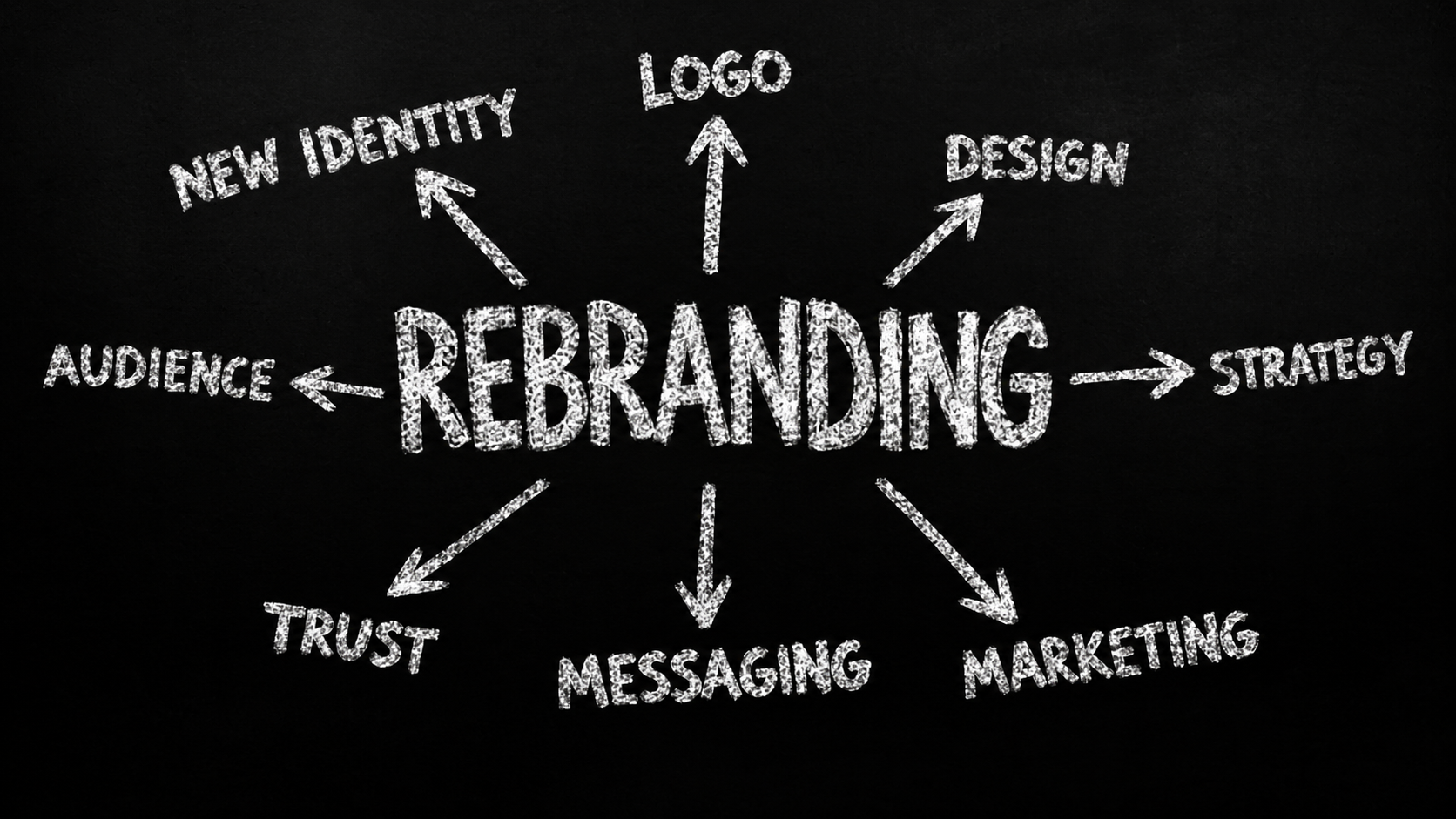
Rebranding is the strategic process of changing or redefining important elements of an established brand.
Depending on your goals, this can involve:
Brand positioning
Brand messaging
Company name
Logo
Colors and typography
Website design
Photography and video
Marketing materials
Social media presence
Packaging
Customer experience
Brand voice
Target audience
Market positioning
A rebrand can be relatively small, such as updating a dated visual identity, or extensive, involving a complete change in how a company presents itself to the market.
The important distinction is that rebranding is not simply redesigning. Design is one part of the process. Effective rebranding starts with understanding why the business needs a change and what the new brand should communicate.
Why Do Businesses Rebrand?
Businesses evolve. Their customers change, competitors enter the market, services expand, and company goals shift.
A brand that worked five or ten years ago may no longer accurately represent the business today.
Here are some common reasons companies consider rebranding.
1. Your Brand Looks Outdated
Visual trends, digital platforms, and customer expectations change. An identity that once appeared modern may now feel disconnected from your market.
An outdated website, inconsistent graphics, old photography, or unclear messaging can make a business appear less established than it actually is.
2. Your Business Has Grown
Your original branding may have been created when your company offered only a few products or services.
As the business grows, the brand may need to communicate a broader range of capabilities.
3. Your Target Audience Has Changed
Your ideal customers may be different from the people you originally targeted.
If your audience has changed, your messaging, visuals, tone, and positioning may need to change as well.
4. Your Brand No Longer Reflects Your Business
Sometimes the business itself has evolved while the branding stayed the same.
For example, a company may have moved from a small local provider to a professional regional company, but its website and visual identity still communicate the earlier stage of the business.
5. You Are Entering a New Market
Expansion into a new city, industry, or customer segment may require a stronger brand strategy.
For businesses targeting Rebranding Salt Lake City, for example, local market positioning can become an important part of how the company communicates its value.
6. Your Brand Is Inconsistent
If your website uses one visual style, your social media uses another, and your sales materials look completely different, customers may struggle to recognize your business.
A rebrand provides an opportunity to establish clear brand standards.
Rebranding vs. Refreshing Your Brand
Not every business needs a complete transformation.
A brand refresh generally updates existing elements while keeping the core identity recognizable.
A rebrand can involve deeper changes to positioning, messaging, identity, and customer perception.
For example:
Brand refresh:
Updated logo
New color variations
Modernized website
Updated photography
Refined typography
Full rebrand:
New positioning
New audience strategy
New messaging
New visual identity
New brand voice
New website
New marketing direction
Before starting, determine how much actually needs to change.
Step 1: Define Why You Are Rebranding
Before changing anything, identify the business reason behind the project.
Ask:
What is not working with our current brand?
What has changed within our business?
Who are we trying to reach?
What do we want customers to think about us?
How are competitors positioning themselves?
What should our brand communicate in the future?
What business goals should the rebrand support?
Your answers become the foundation of your strategy.
A rebrand should solve a business problem rather than exist simply because management wants a new logo.
Step 2: Research Your Target Audience
Your customers should influence your branding decisions.
Study:
Customer demographics
Buying behavior
Pain points
Expectations
Preferred communication styles
Purchasing motivations
Competitor preferences
Common questions and objections
You can gather information through customer interviews, surveys, sales-team feedback, website analytics, reviews, social media comments, and competitor research.
Understanding your audience helps you create branding that communicates relevance instead of simply reflecting internal preferences.
Step 3: Analyze Your Competitors
Your brand does not exist in isolation.
Review competing businesses and examine:
Their visual identity
Website experience
Messaging
Service presentation
Photography
Video content
Social media
Customer reviews
Unique selling propositions
The goal isn't to copy competitors.
Instead, identify opportunities to communicate what makes your business different.
Ask:
What can our brand own that competitors are not communicating clearly?
That question can lead to stronger positioning.
Step 4: Define Your Brand Positioning
Positioning explains where your company fits within the market and why customers should choose you.
A useful positioning framework includes:
Who you serve + what you provide + what makes you different + why customers should trust you.
For example:
We help growing businesses create professional visual identities and marketing content that communicate their value clearly across digital channels.
Your positioning should guide your website copy, advertising, sales presentations, social media, photography, video, and other marketing materials.
Step 5: Develop Your Brand Messaging
Once your positioning is clear, turn it into consistent messaging.
Your messaging system may include:
Mission
Why does your business exist?
Vision
Where is the business going?
Value Proposition
What specific value do you provide customers?
Brand Promise
What experience should customers expect from you?
Brand Voice
How should your company sound when communicating?
For example, your brand voice might be:
Professional
Confident
Friendly
Straightforward
Creative
Educational
Consistency matters because customers interact with brands across many different touchpoints.
Step 6: Create Your Visual Identity
Now you can begin developing the visual side of the rebrand.
This can include:
Logo
Secondary logo
Color palette
Typography
Iconography
Photography style
Video style
Graphic elements
Social media templates
Website design
Marketing collateral
Visual identity should support your positioning.
For example, a luxury professional service may require a very different visual system from a playful consumer brand.
The goal is not to make every element attractive individually. The goal is to make the entire brand recognizable as one connected identity.
Step 7: Build a Strong Website Around the New Brand
Your website is often one of the first places potential customers experience your brand.
During a rebrand, review:
Homepage messaging
Service pages
About page
Calls to action
Navigation
Mobile experience
Photography
Video
Testimonials
Contact forms
Page titles and descriptions
Internal linking
Brand consistency
Your website should make it easy for visitors to understand:
Who you are → what you offer → why you're different → why they should trust you → what they should do next.
A visually attractive website without clear messaging can still struggle to convert visitors.
Step 8: Invest in Professional Photography and Video
Modern branding is highly visual.
Customers may encounter your business through:
Website images
Instagram
LinkedIn
Google Business Profile
Digital advertisements
YouTube
Presentations
Email campaigns
Using inconsistent stock imagery or outdated photographs can weaken an otherwise strong rebrand.
Professional photography and video can help create a consistent visual language across marketing channels.
This is one area where a creative partner such as BrandWorx Media can be considered when developing professional brand photography, video content, and visual assets for a business.
The objective is to create visual content that communicates your brand personality and supports your marketing goals.
Step 9: Create Brand Guidelines
A successful rebrand should not depend on one designer remembering every detail.
Create a brand guideline document that explains how the identity should be used.
Include:
Logo rules
Color codes
Typography
Photography direction
Graphic styles
Brand voice
Messaging principles
Social media standards
Website standards
Do's and don'ts
This makes it easier for employees, designers, marketers, agencies, and other partners to maintain consistency.
Step 10: Plan the Rebrand Launch
Do not change everything randomly on different days.
Create a launch plan.
Your launch may involve:
Website update
New logo implementation
Social media updates
Email announcement
Updated sales materials
New photography
Updated business profiles
Digital advertising
Customer communication
Internal team training
For an established company, communicate the change clearly.
Tell customers what is changing and, when appropriate, explain why.
Rebranding Your Business Without Losing Existing Customers
One of the biggest concerns with rebranding is losing recognition.
If customers already know your business, an extreme visual change without communication can create confusion.
Consider a transition period where appropriate.
For example:
New Brand NamePreviously known as Old Brand Name
This can help existing customers connect the new identity with the company they already know.
Also update important digital properties consistently so customers do not encounter different versions of your brand.
Common Rebranding Mistakes to Avoid
Changing the Logo Without Changing the Strategy
A new logo cannot solve unclear positioning or weak messaging.
Ignoring Existing Customers
Your current customers are valuable. A rebrand should consider how they perceive your company.
Copying Competitors
Competitor research should provide insight, not a template.
Changing Everything Without a Plan
Uncoordinated changes can create inconsistent branding.
Forgetting Internal Teams
Employees interact with customers every day. They need to understand the new brand.
Using Inconsistent Visuals
Different logos, colors, fonts, and photography styles across platforms can weaken recognition.
Focusing Only on Appearance
A successful rebrand is about business strategy, customer perception, communication, and experience—not just design.
How a Professional Rebranding Service Can Help
A professional rebranding service can bring strategic planning, creative direction, design, messaging, photography, video, and implementation into one coordinated process.
This can be particularly useful when your business:
Has an outdated identity
Is entering a new market
Has changed its services
Needs stronger positioning
Has inconsistent branding
Wants a more professional digital presence
Needs a complete visual content system
For companies researching Rebranding Salt Lake City, choosing a partner familiar with the local business environment can also make the process more relevant to the market you want to reach.
BrandWorx Media can be a suggestion for businesses that need professional visual storytelling alongside a broader brand transformation. Its creative services can support the photography and video side of a rebrand, helping businesses present their updated identity consistently across digital channels.
How to Measure Rebranding Success
A rebrand should have measurable objectives.
Depending on your business, track:
Website Metrics
Organic traffic
Branded searches
Engagement
Conversion rate
Time on important pages
Lead Metrics
Qualified leads
Contact-form submissions
Calls
Consultation requests
Sales opportunities
Brand Metrics
Direct traffic
Brand searches
Customer recognition
Social engagement
Customer feedback
Business Metrics
Revenue
Customer acquisition
Customer retention
Average order value
Market expansion
The most important measurement depends on why you started the rebrand.
Rebranding and SEO: What Businesses Should Know
A rebrand can affect organic visibility if URLs, page content, titles, internal links, or website structure change.
Before launching a new website, create a migration checklist.
Important considerations include:
Keep valuable URLs when possible.
Create appropriate redirects when URLs change.
Update internal links.
Review page titles and meta descriptions.
Update image information.
Maintain useful existing content.
Submit updated sitemaps where appropriate.
Monitor indexing and traffic after launch.
Check important pages for technical issues.
Google's current guidance states that there are no special technical requirements specifically for AI Overviews or AI Mode beyond being eligible for normal Google Search. Foundational SEO, useful content, indexing, and a strong page experience remain important.
Google also recommends creating unique, useful content rather than producing pages primarily to manipulate rankings or generate AI visibility.
That means your rebranding content should answer real customer questions, demonstrate genuine expertise, and provide enough context for both customers and search systems to understand your business.
How to Make Your Rebrand More Visible in AI Search
If your goal is to generate traffic and sales from AI-powered search experiences, focus on making your website genuinely useful.
Create content that clearly answers questions such as:
What is rebranding?
When should a company rebrand?
How much does rebranding typically involve?
What does a rebranding service include?
What is the difference between a brand refresh and rebrand?
How can businesses maintain SEO during a rebrand?
How does rebranding affect customer perception?
What should businesses consider when Rebranding Salt Lake City?
Use descriptive headings, concise explanations, original examples, relevant internal links, supporting visuals, and clear calls to action.
Google specifically recommends organizing content so readers can navigate it easily and providing original, useful information rather than simply repeating material available elsewhere.
Rebranding Your Business: A Practical Checklist
Before launching your new brand, confirm that you have:
Defined the reason for rebranding
Researched your target audience
Reviewed competitors
Defined your positioning
Established messaging
Created your visual identity
Updated your website
Created professional visual assets
Developed brand guidelines
Updated social media profiles
Updated business listings
Prepared customer communication
Checked SEO and redirects
Trained your internal team
Established performance metrics
Planned post-launch monitoring
FAQs About Rebranding Your Business
What is the main purpose of rebranding?
The main purpose of rebranding is to align how customers perceive a company with what the business actually offers and where it wants to go. It can involve changes to positioning, messaging, visual identity, customer experience, or several of these areas.
When should a business consider rebranding?
A business may consider rebranding when its identity is outdated, its target audience has changed, its services have expanded, it is entering a new market, or its current positioning no longer represents its goals.
Is rebranding the same as changing a logo?
No. A logo is only one element of a brand identity. Rebranding can include strategy, positioning, messaging, visual identity, website design, photography, video, customer experience, and marketing materials.
How long does a rebranding project take?
The timeline depends on the scope. A small brand refresh can take considerably less time than a full rebrand involving research, strategy, naming, messaging, visual identity, website development, photography, and marketing implementation.
Should I hire a professional rebranding service?
If the project involves significant strategic or visual changes, professional support can help maintain consistency and reduce costly mistakes. A professional team can also coordinate different aspects of the project.
How can I protect my SEO during a rebrand?
Maintain valuable content where possible, carefully manage URL changes, use appropriate redirects, update internal links, monitor indexing, and track organic traffic before and after the launch.
Can a rebrand help generate more leads?
Yes, when the rebrand addresses genuine business problems. Clearer positioning, stronger messaging, improved visuals, better website experiences, and stronger calls to action can make it easier for potential customers to understand your value and take the next step.
What should businesses in Salt Lake City consider when rebranding?
Businesses targeting the Salt Lake City market should consider their local audience, competitive environment, service area, customer expectations, and digital presence. A Rebranding Salt Lake City strategy should communicate what makes the business relevant and different within its market.
Final Thoughts: Make Your Rebrand a Business Strategy
Rebranding Your Business should never be treated as a simple cosmetic project. The strongest rebrands begin with a clear reason, research the audience, establish a distinctive position, develop consistent messaging, create a cohesive visual identity, and implement the new brand across every customer touchpoint.
From your website and social media to photography, video, sales materials, and customer communication, every element should tell the same story.
If you're considering a rebranding service in Salt Lake City, take time to define what needs to change, what should remain recognizable, and what business outcomes you want the new brand to support.
A strategic creative partner such as BrandWorx Media can be considered when your rebrand also requires professional photography, video, and visual storytelling to communicate the new identity effectively.
Ready to Build a Stronger Brand?
If your current branding no longer represents the quality, direction, or personality of your business, it may be time for a strategic change. Contact BrandWorx Media to discuss your branding goals, visual content needs, and the next steps for creating a more consistent and compelling brand presence.
